

#ad – this guide contains affiliate links. If you buy through them, HomeTechFit may earn a commission at no extra cost to you.
If you wake up to streaming windows, notice a musty smell in the bedroom or spot black marks creeping into the corners, you’re not alone. Damp and condensation are some of the most common problems in UK homes, especially in flats, older terraces and new-builds that are sealed tight against the cold. The good news is that the right dehumidifier, plus a few simple habits, can make a big difference within days.
This guide explains what causes condensation, how to choose the best dehumidifier for damp in your home, and which low-cost gadgets help stop mould coming back.
Quick answer: which dehumidifier do you need?
- Small flat or one problem room: a compact 10–12 litre per day dehumidifier is usually enough.
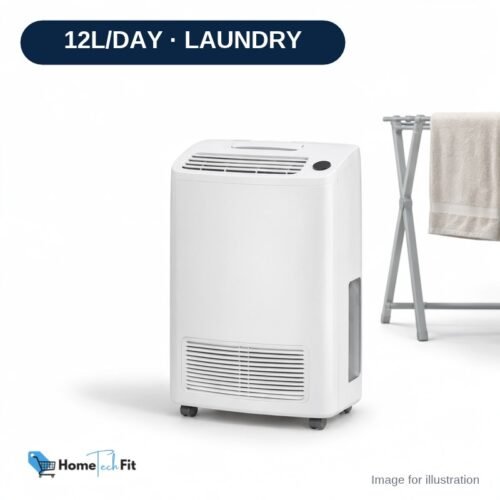
- Larger house or drying laundry indoors: look at 16–20 litres per day with a laundry mode.
- Cold, unheated rooms (conservatory, garage, box room): a desiccant dehumidifier copes better with low temperatures.
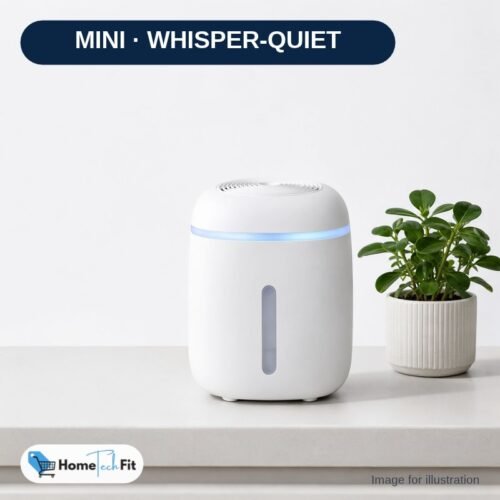
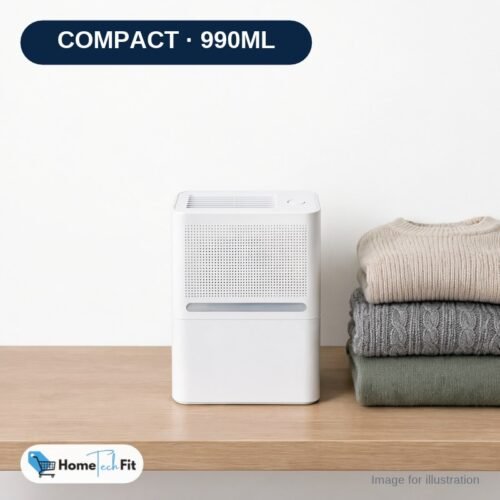
- Wardrobes, cupboards and caravans: a mini dehumidifier or moisture absorber is a cheap starting point.
Why do UK homes get so much condensation?
Condensation happens when warm, moist air hits a cold surface such as a window, an outside wall or the back of a wardrobe. The air cools, can no longer hold its moisture, and that moisture turns back into water. Everyday life puts a surprising amount of water into the air: cooking, showers, kettles, breathing while you sleep and, the big one in British winters, drying clothes on radiators.
When that moisture keeps settling in the same spots, it creates the conditions mould loves. That’s why the problem is usually worst in bedrooms (lots of moisture overnight, windows closed), bathrooms and kitchens, and behind furniture pushed up against cold external walls.
Condensation, rising damp or penetrating damp?
Before you buy anything, it’s worth checking what kind of damp you have:
- Condensation: water droplets on windows and cold walls, worse in the morning and in winter, often with black spotty mould. A dehumidifier and better ventilation are the right fix.
- Penetrating damp: patches that grow after heavy rain, often caused by leaking gutters, cracked render or roof problems. This needs a repair, not just a gadget.
- Rising damp: a tide mark low down on ground-floor walls. This is less common than people think and needs a professional survey.
If you rent and the damp is caused by a leak or a building fault, report it to your landlord in writing. Social housing tenants in England also have extra protection under Awaab’s Law, which sets time limits for landlords to deal with serious damp and mould.
How to choose the best dehumidifier for damp
1. Compressor vs desiccant
Compressor dehumidifiers work like a small fridge, cooling the air so moisture drips into the tank. They are efficient in normally heated rooms and are the most popular choice for UK homes.
Desiccant dehumidifiers pull moisture into an absorbent material instead. They are usually lighter, quieter and work better in cold spaces, and they give off a little warmth, which is handy in a chilly room. They tend to use more electricity than a compressor model in a warm room.
| Feature | Compressor | Desiccant |
|---|---|---|
| Best for | Heated living rooms, bedrooms, whole flats | Cold rooms, conservatories, garages |
| Noise | Moderate | Usually quieter |
| Weight | Heavier | Lighter, easier to move |
| Energy use in a warm room | Lower | Higher |
| Works in low temperatures | Less well | Yes |
2. Extraction rate (litres per day)
Manufacturers quote how many litres a machine can pull from the air in 24 hours under test conditions. Real-world figures are lower, so buy a little bigger than you think you need. As a rough guide, 10–12L/day suits a one or two-bedroom flat, while 16–20L/day suits a three-bedroom house or a home where washing is dried indoors.
3. Humidity sensor and auto mode
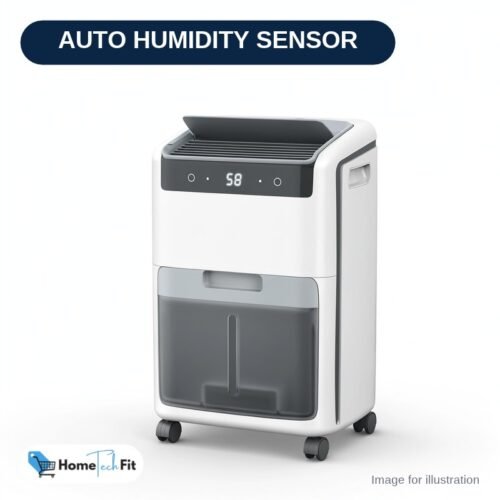
The most useful feature is a built-in humidity sensor (hygrostat). You set a target, typically somewhere between 40% and 60% relative humidity, and the dehumidifier switches itself on and off to hold it. That saves energy and stops the room from feeling too dry.
4. Laundry mode
If you dry clothes indoors, a laundry or “turbo dry” mode runs the fan harder and helps clothes dry faster than on a radiator, while keeping moisture out of your walls. Pair it with a heated clothes airer for the quickest results.
5. Tank size and continuous drainage
A small tank in a damp house can fill overnight. Look for a tank of at least 2 litres, an auto shut-off when full and, ideally, a hose outlet so you can drain it continuously into a sink or shower tray.
6. Noise level
If it’s going in a bedroom, check the noise rating and look for a night or sleep mode that dims the lights and lowers the fan speed.
Where to put a dehumidifier
- Place it in the dampest room first, usually the bedroom or the room where you dry laundry.
- Keep it a short distance from walls and curtains so air can flow freely.
- Close the door and windows while it runs, otherwise you’re trying to dry the street.
- Move it around the house once the worst room is under control.
Other gadgets that help stop condensation and mould
Hygrometers (humidity monitors)
A small digital hygrometer shows you the humidity in each room so you know when to ventilate or switch the dehumidifier on. Bluetooth versions log readings to your phone and can alert you when humidity climbs. You’ll find several in our Smart Bedroom hub.
Heated clothes airers
Drying washing on radiators releases litres of water into your home every week. A heated airer with a cover dries clothes faster and, used alongside a dehumidifier, keeps that moisture under control.
Draught excluders and door seals
Self-adhesive door and window seals stop cold draughts and keep rooms warmer, and warmer surfaces attract less condensation. Just don’t block trickle vents or air bricks, as homes still need a little background ventilation.
Mould remover sprays and gels
Once humidity is under control, treat existing mould with a dedicated mould remover rather than bleach, following the product instructions and ventilating the room while you work.
Simple habits that make a big difference
- Put lids on pans and use the extractor fan when cooking.
- Shut the bathroom door and run the fan or open a window during and after showers.
- Wipe condensation off windows each morning with a cloth or a window vac.
- Open bedroom windows for ten minutes in the morning to let moist air out.
- Leave a small gap between furniture and outside walls.
- Keep the heating on low and steady rather than blasting it on and off.
For a printable room-by-room plan, see our Winter Damp Checklist.
Shop damp and condensation gadgets
Browse dehumidifiers, heated airers, draught excluders and mould removers picked for UK homes in our Warm, Clean & Cosy Home hub.
Frequently asked questions
What size dehumidifier do I need for a UK house?
For a one or two-bedroom flat, a 10–12 litre per day model is usually enough. For a three-bedroom house, or if you dry laundry indoors, go for 16–20 litres per day.
Is a dehumidifier good for condensation on windows?
Yes. A dehumidifier lowers the amount of moisture in the air, so less of it settles on cold glass. Running one overnight in a bedroom is one of the most effective ways to reduce wet windows in the morning.
Should I run a dehumidifier all day?
Not usually. If your model has a humidity sensor, set a target of around 50% and let it switch itself on and off. Otherwise, run it for a few hours after cooking, showering or drying washing.
Do dehumidifiers get rid of mould?
A dehumidifier stops the damp conditions mould needs to grow, but it won’t remove mould that’s already there. Clean existing patches with a mould remover, then keep humidity down to stop it coming back.
Is a desiccant dehumidifier better for a cold room?
Generally, yes. Desiccant models keep working well at lower temperatures, which makes them a good choice for unheated bedrooms, conservatories and garages.
Ready to beat damp this winter? Explore the Warm, Clean & Cosy Home hub for dehumidifiers and winter warmth gadgets chosen for UK homes.
