
#ad – this guide contains affiliate links. If you buy through them, HomeTechFit may earn a commission at no extra cost to you.
You don’t need a garage or a spare room to train at home. With the right compact home gym equipment, a corner of the living room or the space at the end of the bed is enough. The trick is choosing kit that does several jobs, stores flat and doesn’t upset the neighbours downstairs.
This guide covers the best home gym ideas for small spaces, the space-saving equipment worth buying and how to set up a home fitness corner in a typical UK flat.
Quick answer: a small-space home gym starter kit
- Strength: a pair of adjustable dumbbells, which replace a whole rack of weights.
- Full-body work: an adjustable kettlebell.
- Cardio: a folding walking pad, rowing machine or skipping rope.
- Upper body: a doorway or wall-mounted pull-up bar.
- Floor: an exercise mat to protect floors and reduce noise.
How much space do you need for a home gym?
For bodyweight moves, dumbbells and kettlebells, a clear area roughly the size of an exercise mat, with room to stretch your arms out on either side, is usually enough. Folding cardio machines need more floor space while in use but can be stored upright or slid under a bed or sofa afterwards. Measure your space, including ceiling height if you plan to do overhead presses or use a pull-up bar.
Adjustable dumbbells: the best space saver
Adjustable dumbbells are the single most useful piece of compact home gym equipment. One pair replaces many fixed dumbbells, and you change the weight with a dial, pin or quick-lock collars in seconds.
What to look for
- Weight range: beginners often start with sets up to around 20–24kg per hand, while more experienced lifters may want up to 40kg.
- Adjustment system: dial-style dumbbells are fastest; spin-lock sets are cheaper and can sometimes convert into a barbell.
- Footprint: check the length of the dumbbell and its storage tray if space is tight.
- Grip: anti-slip handles feel more secure as the weights go up.
Adjustable kettlebells
An adjustable kettlebell works like an adjustable dumbbell in kettlebell form. One unit covers several weights, which suits swings, goblet squats and presses. Smart kettlebells with removable plates are a tidy option for flats. If you prefer something softer, a soft kettlebell is less likely to mark the floor if it’s set down hard.
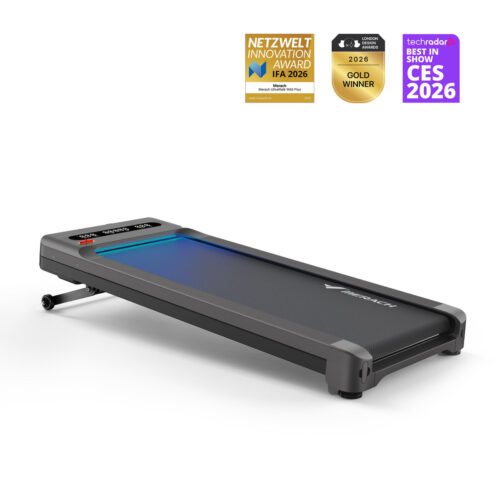
Walking pads and folding treadmills
A walking pad is a slim, low-profile treadmill designed for walking rather than sprinting. Many fold in half and slide under a sofa or bed. They’re popular with people working from home, because you can walk while on calls.
Walking pad buying tips
- Folding and storage: check the folded size and whether it has wheels.
- Speed and incline: walking pads typically top out at a brisk walking or slow jogging pace. Some add an incline for extra challenge.
- Noise: look for a quiet motor, and place it on a mat to reduce vibration if you live above someone.
- User weight limit: always check the maximum user weight.
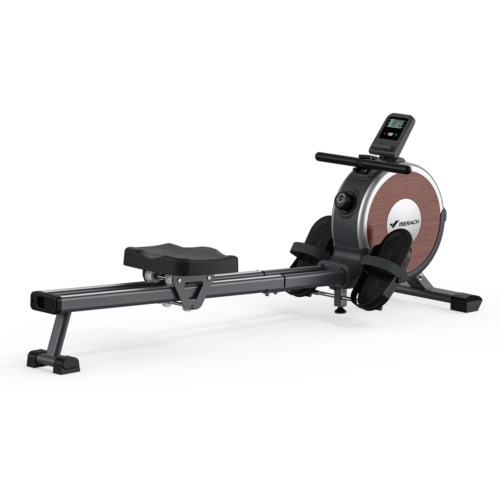
Rowing machines that fold
A rowing machine works your legs, back and arms in one movement. Magnetic rowers are quiet, which is ideal for flats, while water rowers have a smooth, natural feel and often look good enough to leave out. Many models stand upright for storage, so check the upright height against your ceiling and cupboard space.
Pull-up bars and power towers
A doorway pull-up bar is the renter-friendly choice. It sits on the door frame and lifts off when you’re done. Wall-mounted bars are sturdier but need secure fixings into solid walls, so check your tenancy agreement first. If you have more room, a freestanding power tower adds dip bars and a vertical knee raise station without drilling.
Skipping ropes and smart ropes
A skipping rope is the most space-efficient cardio kit there is. Beaded ropes are great for beginners, speed ropes suit faster skipping, and smart ropes count your jumps automatically. You’ll need a little ceiling height, and it’s kinder to downstairs neighbours to skip on a mat or outside.
Wall-mounted cable machines
For a more complete strength setup without a bulky multi-gym, a wall-mounted cable machine gives you adjustable pulley positions in a slim footprint. It needs a solid wall and proper fixings, so it’s better suited to homeowners.
Tips for a home gym in a small flat
- Choose multi-use kit first. Adjustable dumbbells and kettlebells give the most options for the space.
- Protect the floor. Use an exercise mat or interlocking floor tiles under weights and cardio machines.
- Think about neighbours. Avoid dropping weights, favour magnetic resistance and train at sensible hours.
- Plan storage. Keep kit in a basket, under the bed or on a compact rack so the room still works as a living space.
- Check weight limits and instructions. Follow the manufacturer’s guidance and set up equipment on a flat, stable surface.
Home fitness kit for different budgets
- Starter: exercise mat, skipping rope and a doorway pull-up bar.
- Mid-range: add adjustable dumbbells and an adjustable kettlebell.
- Full setup: add a walking pad or folding rowing machine for cardio.
Shop compact home fitness kit
Browse adjustable dumbbells, kettlebells, walking pads, rowing machines and pull-up bars in our Smart Fitness hub.

Training with music? Read our guide to the best headphones for working out.
Frequently asked questions
What is the best home gym equipment for small spaces?
Adjustable dumbbells and adjustable kettlebells offer the most exercises for the least space. Add a folding walking pad or rowing machine if you want cardio equipment that stores away.
Can you build a home gym in a flat?
Yes. Choose compact, quiet equipment, use a mat to reduce noise and vibration, and pick kit that folds or stores under furniture.
Are walking pads good for small spaces?
Walking pads are among the most space-friendly cardio machines because they’re slim and many fold in half to slide under a bed or sofa.
Do I need to drill holes for a pull-up bar?
Not always. Doorway pull-up bars hook onto the door frame without drilling. Wall-mounted bars need secure fixings into a solid wall.
What weight adjustable dumbbells should I buy?
It depends on your experience. Many beginners are well served by a set that goes up to around 20–24kg per dumbbell, while experienced lifters may prefer up to 40kg.
Ready to train at home? Explore the Smart Fitness hub for space-saving home fitness kit chosen for UK flats.
