

#ad – this guide contains affiliate links. If you buy through them, HomeTechFit may earn a commission at no extra cost to you.
If you open the curtains on a winter morning and find your windows streaming with water, you’re not alone. Condensation on windows is one of the most common problems in UK homes from October to March, especially in flats, new-builds with good draught-proofing and older homes with single glazing.
The good news is that most overnight condensation can be fixed with a few free habits and, if you need it, one or two well-chosen gadgets. This guide explains why it happens, how to stop it, and when it’s a sign of something more serious.
Quick fixes: stop condensation on windows tonight
- Open a window slightly or open the trickle vents at the top of the frame before bed.
- Keep the bedroom door open a little so moist air can spread out.
- Don’t dry washing in the bedroom.
- Leave the heating on low overnight rather than letting the room go cold.
- Pull furniture a few centimetres away from outside walls.
- Wipe the windows first thing in the morning and wring the cloth out in the sink.
- Run a dehumidifier in the worst room if the problem keeps coming back.
Why condensation forms on windows overnight
Condensation happens when warm, moist air touches a cold surface and the water vapour turns back into liquid. Windows are usually the coldest surface in a room, so that’s where you see it first.
Overnight is the worst time because three things happen together:
- You add moisture while you sleep. Each person breathes out water vapour all night, and two people in a closed bedroom add a surprising amount.
- The heating goes off, so the room and the glass cool down.
- Windows and doors are shut, so the moist air has nowhere to go.
Everyday life adds more moisture too. Cooking, showers, kettles and drying clothes indoors all put water into the air, and in winter we tend to keep everything closed up to stay warm.
What humidity should your home be?
Many UK experts suggest keeping indoor humidity roughly between 40% and 60%. Once it stays above about 60%, condensation and mould become much more likely, and in winter aiming nearer 40–50% helps keep windows clear.
A cheap digital hygrometer (humidity meter) takes the guesswork out of it. Put one in the bedroom and check it in the morning. If it’s regularly above 60%, the tips below and a dehumidifier will make a real difference.
Free habits that stop condensation
1. Ventilate little and often
You don’t need to throw the windows open all day. Open trickle vents if your windows have them and leave them open all winter. Air the bedroom for a while after you get up, and turn your duvet back so the bedding can dry.
2. Keep steam where it’s made
Close kitchen and bathroom doors while cooking or showering, and use the extractor fan during and for a while afterwards. Put lids on pans. These small changes stop steam drifting into colder bedrooms where it settles on the glass.
3. Heat steadily, not in bursts
A home that’s heated low and steady is less prone to condensation than one that’s blasted with heat for an hour and then left to go cold. Use radiator thermostats and your heating timer to keep rooms at a gentle, even temperature, including the bedroom overnight.
4. Dry clothes the right way
Drying a load of washing indoors releases litres of water into the air. Dry outside when you can. If you have to dry indoors, use a well-ventilated bathroom with the door shut and the fan on, or a vented or condensing tumble dryer. Never dry clothes on bedroom radiators.
5. Give walls room to breathe
Wardrobes and beds pushed tight against cold outside walls trap damp air behind them, which is where mould often starts. Leave a small gap so air can move.
6. Wipe windows every morning
Wiping the glass and sills each morning stops water soaking into frames, seals and the wall below the window. Wring the cloth out in the sink rather than leaving it to dry on a radiator. A handheld window vacuum makes this a 30-second job.
Gadgets that help (and when they’re worth it)
Dehumidifier
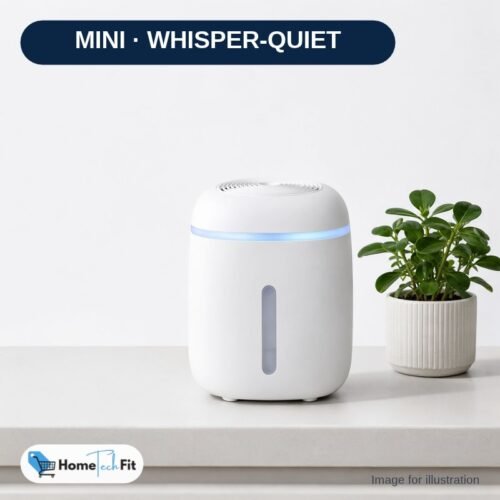
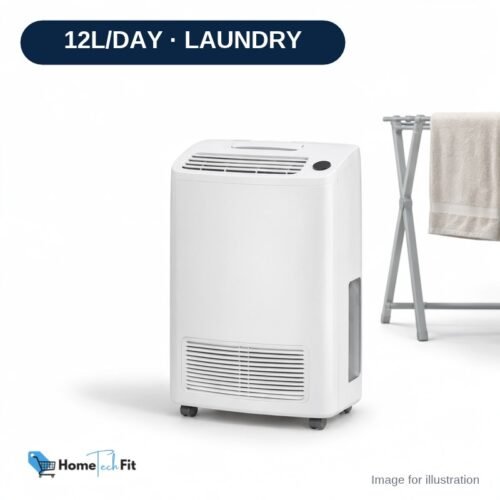
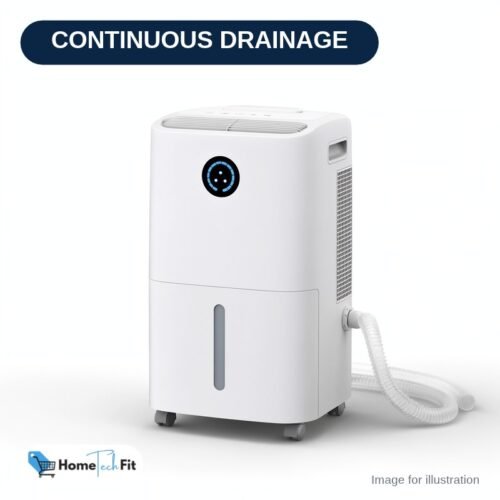
If you’ve tried the habits above and still wake up to wet windows, a dehumidifier is the most effective fix. It pulls water out of the air and you’ll be surprised how much collects in the tank.
- Compressor dehumidifiers are efficient in heated rooms and good for most homes.
- Desiccant dehumidifiers work better in cold rooms, garages and unheated spaces, and are quieter.
Our guide to the best dehumidifier for damp and condensation explains which type and size suits your home.
Heated clothes airer
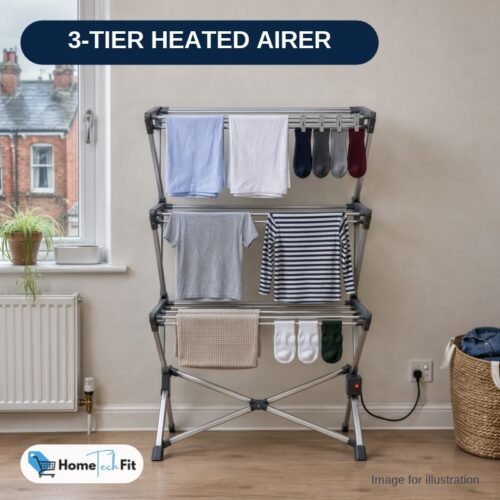
A heated airer dries washing faster than a standard rack. Pair it with a dehumidifier in the same room and you’ll dry clothes quickly without the moisture ending up on your windows.
Window vacuum and hygrometer
A window vacuum clears condensation in seconds without drips, and a hygrometer tells you whether your changes are working. Both are low-cost and easy wins.
Browse the dehumidifiers, heated airers and damp-busting gadgets we’ve picked for UK homes in our Warm, Clean & Cosy Home hub.
Already got black mould around the window?
Small patches of black mould on sills, seals or the wall near a window are usually caused by condensation. To clean them:
- Wear rubber gloves and eye protection.
- Wipe the mould off with a damp cloth or a mould remover, following the product instructions. Don’t brush it, as that spreads spores.
- Dry the area thoroughly afterwards.
- Fix the cause using the tips above, or the mould will come back.
If mould covers a large area, keeps returning or someone in your home has breathing problems, speak to your landlord or a professional.
When it isn’t condensation
Not all damp is condensation. It might be a different problem if you notice:
- damp patches that get worse after rain (often penetrating damp from leaks, gutters or failed pointing)
- a tide mark low down on ground-floor walls (possible rising damp)
- damp in one spot that doesn’t change with the weather or how you ventilate (possibly a leaking pipe)
These need a repair, not just better ventilation, so get them checked.
Renting? Know your rights
If you rent and damp or mould is caused by a problem with the building, such as leaks, broken extractor fans or faulty windows, report it to your landlord in writing and keep a copy. Social landlords in England now have to investigate and fix dangerous damp and mould within set timescales under Awaab’s Law, which started in October 2025. Private renters can contact their local council’s housing team if a landlord doesn’t act.
Frequently asked questions
Is condensation on the inside of windows normal?
A little condensation on cold mornings is common in UK homes, especially on single glazing. Heavy condensation every day, with water pooling on sills, means there’s too much moisture in the air and it’s worth tackling before it causes mould.
Should I open a window at night to stop condensation?
Opening a window slightly or opening the trickle vents lets moist air escape. Combine it with keeping the heating on low so the room doesn’t get too cold.
Does a dehumidifier stop condensation on windows?
Yes. By lowering the humidity in the room, a dehumidifier leaves less moisture to settle on cold glass. Running one in the bedroom for a few hours in the evening often makes a visible difference by morning.
Why do I get condensation even with double glazing?
Modern double glazing and draught-proofing keep heat in but also trap moisture. Without enough ventilation, humidity builds up and settles on the coldest surfaces, often the window frames and corners of the glass.
What’s the cheapest way to stop condensation?
Free habits make the biggest difference: open trickle vents, use extractor fans, cover pans, avoid drying clothes in bedrooms and wipe windows each morning. A low-cost hygrometer helps you check it’s working.
Want a room-by-room plan? Grab our free Winter Damp Checklist, or explore the Warm, Clean & Cosy Home hub for gadgets picked for UK homes.
