#ad – this guide contains affiliate links. If you buy through them, HomeTechFit may earn a commission at no extra cost to you.
Last updated: 17 November 2026
On 22 October 2026 the government launched Be Ready, a three-year Cabinet Office campaign asking every UK household to be able to look after itself at home for three days if everyday services are disrupted. That could be a power cut after a storm, a burst water main, local flooding, a phone and internet outage or a cyber attack on the services we rely on. Be Ready replaces the government’s older “Prepare” advice.
The aim isn’t to panic-buy or turn your spare room into a bunker. It’s a small, sensible emergency kit and a few free steps that help your household cope until things get back to normal. This page turns the Be Ready checklist into a plain-English plan for UK homes.
The Be Ready checklist in 30 seconds
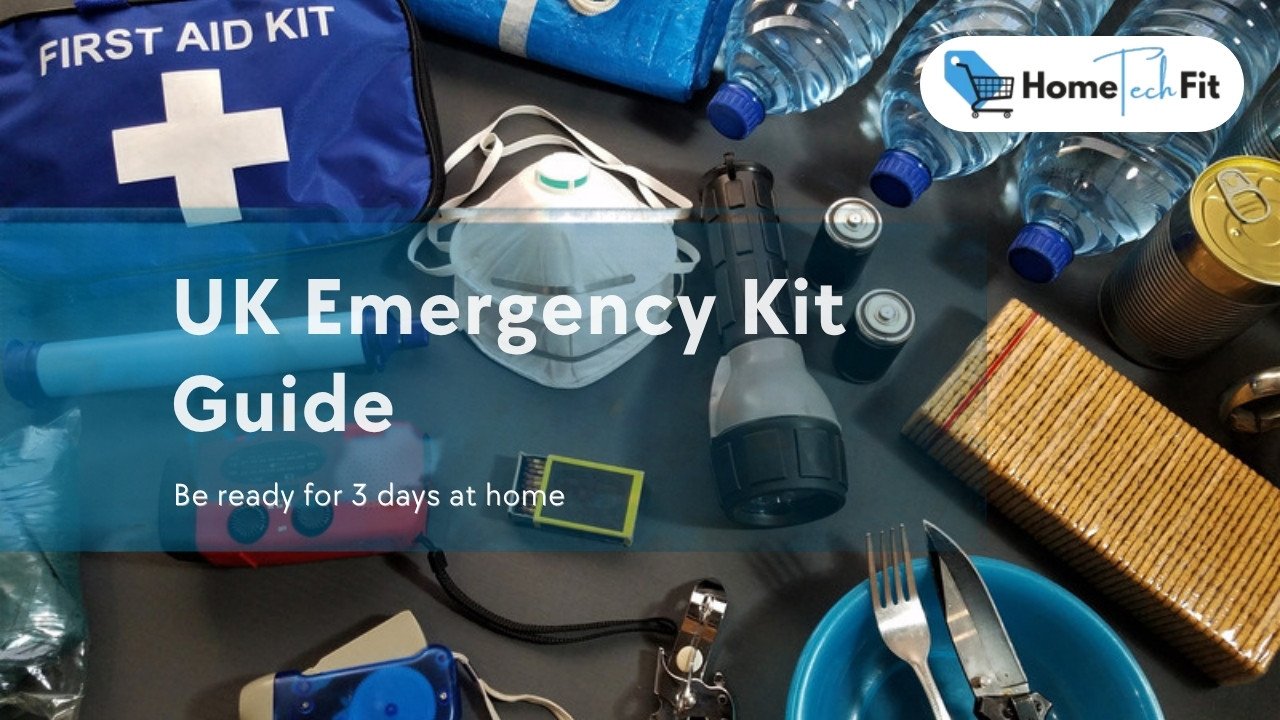
- Water: at least 3 litres per person per day for drinking, so 9 litres each for three days.
- Food: long-life food that needs no fridge or cooking, plus a manual tin opener.
- Light: a battery or wind-up torch with spare batteries (safer than candles).
- News: a battery or wind-up FM radio for updates if phones and internet go down.
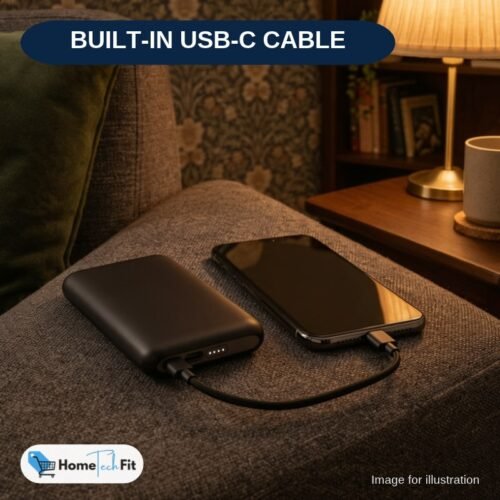
- Power: a fully charged power bank for your phone.
- Cash: some notes and coins in case card payments and online banking stop working.
- First aid and medicines: a first aid kit, essential medication and a written list of medicines and doses.
- Hygiene: hand sanitiser, wet wipes, toilet roll and sanitary products.
- Warmth: blankets, sleeping bags and warm clothing.
- Documents: copies of ID, insurance details and emergency contact numbers.
- Pets and babies: pet food, nappies, formula and anything else your household relies on.
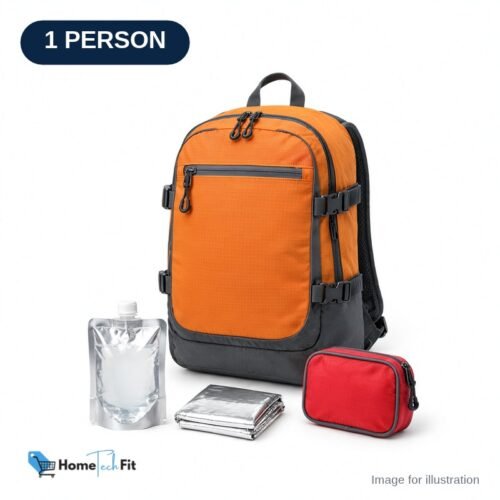
Short on time? A ready-made 72-hour kit covers most of the list in one bag. Add water, cash, medication and a power bank, and you’re done.
Start with the free steps
Some of the most useful things on the Be Ready list cost nothing and take minutes:
- Check if you can join the Priority Services Register. It’s free and tells your energy and water companies if someone in your home needs extra help in a power cut or water outage, for example because they use medical equipment or are older or disabled. Check eligibility at thepsr.co.uk.
- Save 105 in your phone. It’s the free number for reporting or checking a power cut in England, Scotland and Wales.
- Sign up for flood warnings if you live near a river or the coast: search “sign up for flood warnings” on GOV.UK or call Floodline on 0345 988 1188.
- Keep your phone updated so you receive government Emergency Alerts, the loud warnings sent to phones in an area where there’s a danger to life.
- Find your stopcock, gas valve and fuse box now, while the lights are on.
How much water do you need?
Water is the most important item in your kit. The Be Ready advice is at least 3 litres per person per day for drinking, so 9 litres per person for three days. That’s drinking water only, so allow extra for cooking, washing, babies, pets and any medical equipment that needs it.
| Household | Drinking water for 3 days | Roughly |
|---|---|---|
| 1 person | 9 litres | 1½ six-litre packs |
| 2 people | 18 litres | 3 six-litre packs |
| 3 people | 27 litres | 4½ six-litre packs |
| 4 people | 36 litres | 6 six-litre packs |
| 5 people | 45 litres | 7½ six-litre packs |
Store water somewhere cool and dark, away from chemicals, and check the best-before dates every few months. If space is tight, a few multipacks under the stairs or at the bottom of a wardrobe are a good start. Don’t forget water for pets.
Food that doesn’t need cooking
In a power cut you may not be able to cook or keep food cold, so choose food you can eat straight from the tin or packet: tinned fish, meat and beans, ready-to-eat pouches, crackers, cereal bars, dried fruit and nuts. Keep a manual tin opener with your kit, because an electric one is useless without power. Long-life emergency food rations are another option if you’d like something you can store and forget for years.
Light, power and news when the power goes off
Three things matter most in a power cut: being able to see, keeping your phone working and hearing what’s happening.
Torches and lanterns
Keep a battery or wind-up torch where you can find it in the dark, with spare batteries. Battery lanterns and LED candles light a whole room and are much safer than real candles, especially with children or pets at home.
A wind-up or battery FM radio
If mobile networks are busy or your phone is flat, a battery or wind-up FM radio lets you hear local news and official updates. Many emergency radios also charge by solar panel, include a torch and can top up a phone over USB, so one gadget can cover three items on the checklist. Wind-up radios sold out in many UK shops after the Be Ready checklist was published, so buy one before a storm, not during one.
Keeping your phone charged
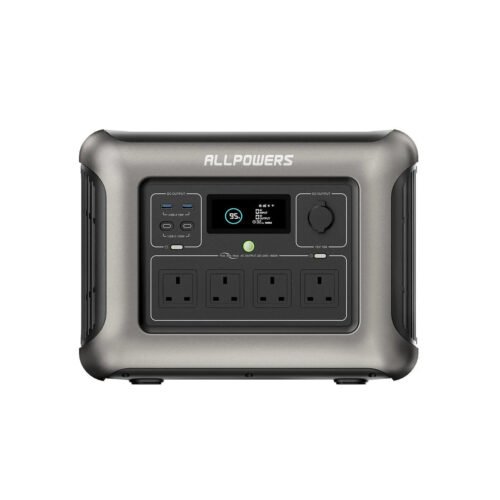
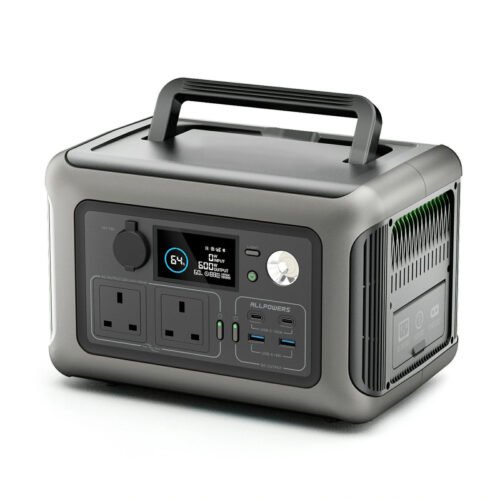
Keep a power bank fully charged and stored with your kit, and top it up every few months. If you work from home, rely on medical equipment or want to keep a router, lights and phones going for longer, a portable power station is the bigger step up. Our guide to the best power station for a power cut explains what size you actually need.
For what to do once the lights go out, including how long food stays safe in the fridge and freezer, read What to Do in a Power Cut.
Keep some cash at home
A power cut, phone outage or cyber attack can stop card machines, cash machines and online banking working. Keep a small amount of cash in notes and coins with your kit so you can still buy essentials. Store it somewhere safe and only you and your household know about.
First aid and medication
A good first aid kit is one of the most useful things you can own, emergency or not. Make sure yours includes:
- waterproof plasters
- bandages and sterile dressings
- medical tape
- a thermometer
- antiseptic
- eyewash solution
- disposable gloves
- tweezers
Most ready-made first aid kits cover these basics. Add a few days’ supply of any essential medication your household relies on, plus a written list of medicines and doses. It’s the item people most often forget, and it matters if you need help from someone else or have to leave home quickly. If anyone uses powered medical equipment, plan a backup power source and check whether they can join the Priority Services Register.
Hygiene essentials
If water supplies are disrupted, staying clean gets harder. Pack hand sanitiser, wet wipes, toilet roll, bin bags and sanitary products. A couple of spare toothbrushes and a small bottle of no-rinse body wash are easy wins.
Keeping warm
A winter power cut can make a home cold quickly, especially if your boiler needs electricity to run (most do). Keep blankets or sleeping bags handy and add a few foil emergency blankets to your kit. Layers, hats and thick socks all help. Our Warm, Clean & Cosy Home hub has more ideas for keeping your home warm.
Important documents
Keep copies of important documents together in a waterproof or fire-resistant pouch, so you can grab them quickly if you need to leave home:
- copies of passports, driving licences and birth certificates
- home and contents insurance details
- prescriptions and instructions for any medical equipment
- a printed list of emergency contacts: family, neighbours, your GP, your energy and water suppliers
If you have to leave home: your grab bag
Be Ready is mostly about staying at home, but floods, fires and gas leaks can mean leaving in minutes. A small grab bag by the door with documents, medication, a torch, a power bank, cash and a change of clothes makes that much easier. See our full list: What to Put in a Grab Bag (UK).
Make a simple household emergency plan
- Agree how you’ll stay in touch if mobile networks are down, and pick a meeting point.
- Decide where you’d go if you had to leave home, such as a friend or relative’s house.
- Write down key numbers and keep them with your kit, not just in your phone.
- Check on neighbours who are older, disabled or live alone.
- Know your local risks, such as flooding, and what your area’s warnings mean.
Ready-made emergency kit or build your own?
You can build an emergency kit from things you already own, but a ready-made 72-hour kit is the quickest way to cover the basics in one go.
- Ready-made kits come in a grab bag with long-life food and water rations, foil blankets, light sticks and first aid basics. They’re ideal if you’d rather not think about it, and easy to keep by the door or in the car.
- Building your own lets you tailor everything to your household: pet food, baby supplies, specific medication and more water than most kits include.
Many people do both: buy a ready-made kit for the essentials, then add bottled water, cash, a radio, a better first aid kit, a document pouch and anything personal to their household. We compare the 1, 2 and 4-person kits UK buyers choose, and what’s missing from them, in Best 72-Hour Emergency Kits UK.
Shop the Emergency Kit hub
We’ve shortlisted highly rated ready-made 72-hour kits, wind-up radios, lanterns, power stations, first aid kits and document bags for UK homes. Browse them all in our Emergency Kit hub.
Frequently asked questions
What is the Be Ready campaign?
Be Ready is a UK government campaign, launched on 22 October 2026, that asks households to be able to manage at home for three days if services such as power, water, phones or the internet are disrupted. It runs for three years and replaces the earlier Prepare advice.
What is on the Be Ready checklist?
Bottled water (at least 3 litres per person per day), food that needs no cooking, a torch with spare batteries, a battery or wind-up radio, a charged power bank, cash, a first aid kit and medication, hygiene items, warm clothing and blankets, copies of important documents, and supplies for pets and babies.
How much water does a family of four need for three days?
At least 36 litres of drinking water, which is about six standard six-litre packs. Store extra if you can for cooking, washing and pets.
Why should I keep cash at home?
Power cuts, phone outages and cyber attacks can stop card payments, cash machines and online banking. A small amount of cash lets you buy essentials until systems are back.
Where should I keep my emergency kit?
Somewhere everyone in the house knows about and can reach quickly, such as a hallway cupboard or under the stairs. Keep your torch where you can find it in the dark.
What number do I call in a power cut?
Call 105 from a landline or mobile. It’s free and puts you through to your local electricity network operator.
Is a ready-made emergency kit worth it?
If you want to cover the essentials quickly, yes. A ready-made 72-hour kit gives you food, water rations, warmth and first aid basics in one bag. You’ll still need to add your own medication, cash, enough bottled water for your household and a charged power bank.
Get your home ready in one afternoon. Explore the Emergency Kit hub for ready-made kits and essentials chosen for UK homes.