#ad – this guide contains affiliate links. If you buy through them, HomeTechFit may earn a commission at no extra cost to you.
Winter storms, high winds and flooding make power cuts more likely in the UK between November and March. Most are fixed within a few hours, but knowing what to do in the first few minutes makes a power cut safer, warmer and much less stressful.
This guide covers exactly what to do in a power cut, who to call, how long food stays safe, and the simple kit that makes the next one easy.
What to do in a power cut: the first 5 minutes
- Check if it’s just you. Look at your fuse box. If a switch has tripped, it may be a fault in your home. If your neighbours’ lights are off too, it’s a wider power cut.
- Call 105. It’s free from most landlines and mobiles in England, Scotland and Wales and puts you through to your local electricity network operator to report the cut or get an update.
- Grab a torch rather than lighting candles.
- Switch off appliances that shouldn’t come back on unattended, such as cookers, irons and heaters.
- Leave one light switched on so you know when the power returns.
- Keep the fridge and freezer doors closed.
- Check on vulnerable neighbours or relatives if it’s safe to do so.
In Northern Ireland, report power cuts to NIE Networks rather than 105.
Who to call in a power cut
- 105 – to report a power cut or get updates from your network operator. You can also check your operator’s website or social media for estimated restoration times.
- 105 again – if you see fallen power lines or a damaged substation. Stay well away from them. If there’s an immediate danger to life, also call 999.
- 0800 111 999 – the National Gas Emergency Service, if you smell gas.
Save these numbers in your phone and write them down with your emergency kit, in case your phone battery runs out.
Stay safe during a power cut
Use torches, not candles
Battery torches, lanterns and LED candles are far safer than real candles, especially with children or pets in the house. If you do use candles, put them in a proper holder, away from curtains and draughts, and never leave them unattended.
Be careful with generators and heaters
Portable generators produce carbon monoxide, which you can’t see or smell. Never run a generator, barbecue or camping stove indoors or in a garage. Follow the manufacturer’s instructions and make sure you have a working carbon monoxide alarm.
Switch off and unplug
Turn off appliances that could be a fire risk when the power comes back, and unplug sensitive electronics such as TVs and computers to protect them from a surge. Leave one light on as your signal that power is back.
Keep warm in a winter power cut
Most central heating systems need electricity to run, even gas boilers, so a winter power cut can make your home cold quickly.
- Gather everyone in one room and close the door to keep the heat in.
- Close curtains and use draught excluders at the bottom of doors.
- Wear layers, hats and thick socks, and use blankets or sleeping bags.
- Fill a vacuum flask with hot water as soon as you can, and use hot water bottles if you have a way to heat water safely.
- Keep moving around to stay warm.
For more ways to keep the cold out, see our Warm, Clean & Cosy Home hub.
Is food in the fridge and freezer safe?
Keep the doors shut as much as possible. Food Standards Scotland advises that:
- a fridge keeps food at a safe temperature for up to about 4 hours
- a full freezer keeps food frozen for up to about 48 hours, or around 24 hours if it’s half full
These are estimates and depend on your appliance and how warm the room is. A fridge thermometer is the easiest way to check: food is generally fine while the fridge stays below 8°C. If it goes above that, eat chilled food within four hours or throw it away.
When you’re choosing what to eat, use chilled food first, then defrosted food, then bread and fresh items, and save tins and dried food for last. If you cook on a camping stove, do it outside and make sure food is steaming hot all the way through.
Keep your phone and news going
- Keep a power bank charged and ready.
- Turn on your phone’s low-power mode and close apps you don’t need.
- Keep a battery or wind-up radio for local news if mobile signal drops.
- Cordless home phones need mains power and won’t work, so a basic corded phone is a useful backup.
Extra help: the Priority Services Register
If you or someone you live with is older, disabled, has a long-term health condition, relies on medical equipment or has young children, you may be able to join the Priority Services Register. It’s free. Your energy supplier and network operator will know you need extra support, such as advance warning of planned power cuts and extra help during an unplanned one. Contact your energy supplier to sign up.
If you’re helping an older relative, our guide to smart home tech for elderly parents has more ways to keep them safe at home.
Be ready for the next power cut
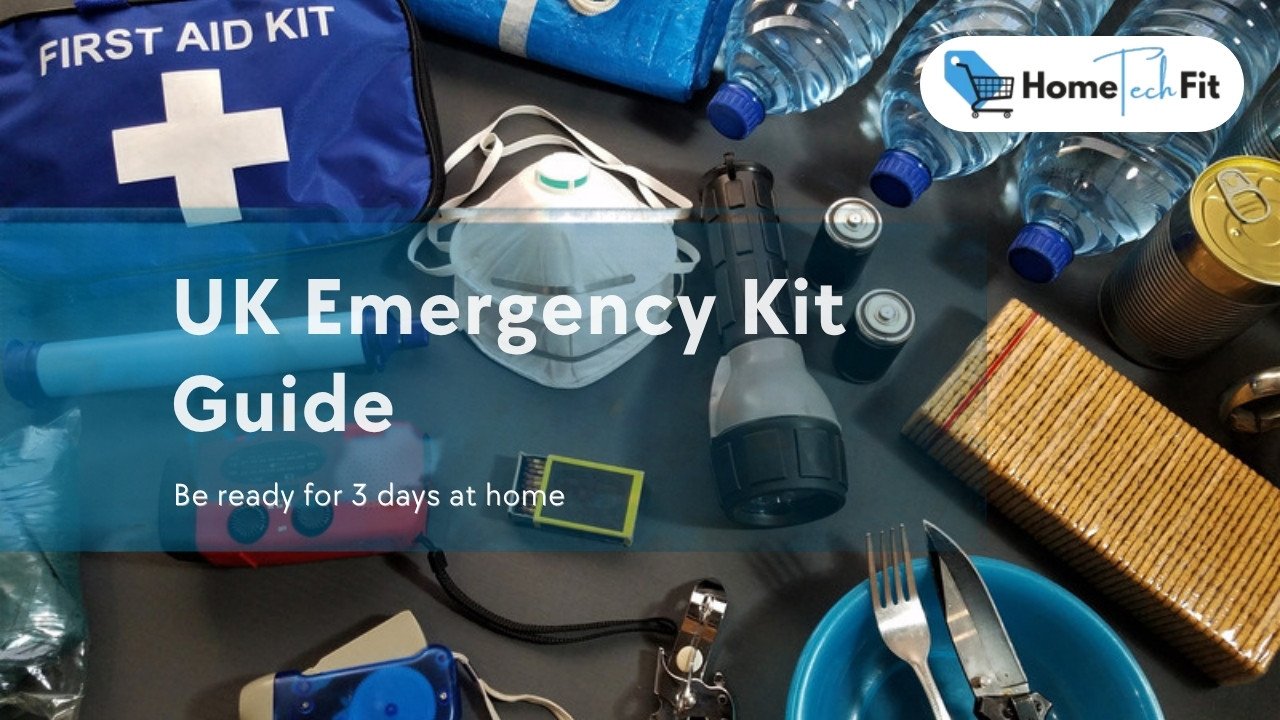
A small power cut kit means you won’t be hunting for a torch in the dark. Keep these together in a cupboard everyone knows about:
- a torch or lantern with spare batteries
- a wind-up or battery radio
- a charged power bank
- blankets or sleeping bags
- a vacuum flask
- food that doesn’t need cooking, and bottled water
- a first aid kit
- a printed list of emergency numbers
A wind-up emergency radio is one of the most useful single items: many can also be charged by solar power, include a torch and can top up your phone over USB. For a full list, read our UK emergency kit checklist.
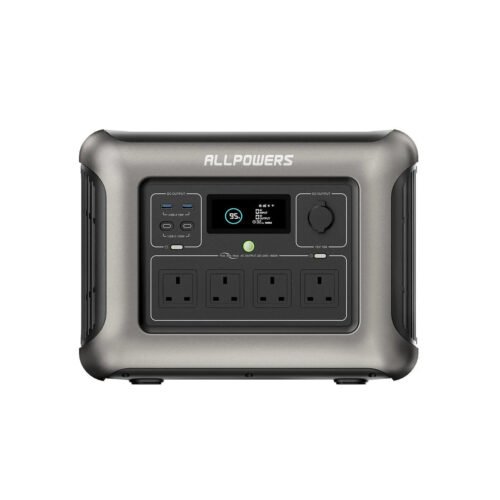
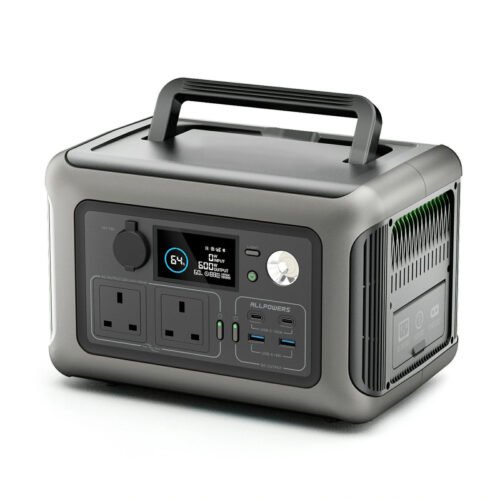
Shop power cut essentials
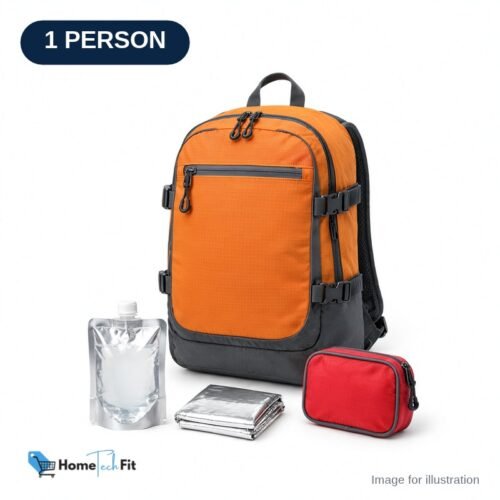
We’ve picked wind-up radios, ready-made 72-hour kits and first aid kits that UK buyers rate highly. Browse them all in our Emergency Kit hub.

Frequently asked questions
What number do I call in a power cut?
Call 105. It’s free from most landlines and mobiles in England, Scotland and Wales and connects you to your local electricity network operator, whoever supplies your energy. In Northern Ireland, contact NIE Networks.
How long does food last in the freezer during a power cut?
A full freezer usually keeps food frozen for up to about 48 hours, or around 24 hours if it’s half full, as long as you keep the door closed.
Does my gas boiler work in a power cut?
Usually not. Most modern gas boilers need electricity for their controls and pump, so your heating and hot water may stop until the power comes back.
Should I unplug things during a power cut?
Switch off appliances like cookers, irons and heaters, and unplug sensitive electronics to protect them from a surge when the power returns. Leave one light on so you know when it’s back.
Is it safe to use candles in a power cut?
Torches and LED lanterns are much safer. If you use candles, put them in proper holders away from curtains, children and pets, and never leave them burning unattended.
Get ready before the next storm. Explore the Emergency Kit hub for torches, wind-up radios and ready-made kits chosen for UK homes.